
The Wounded Child
The Wounded Child: When Past Pain Shows Up in Present-Day Love
The wounded child is one of the most tender inner child archetypes we carry. This part forms when a child experiences emotional pain that feels overwhelming or unresolved. It may come from criticism, emotional neglect, harsh discipline, inconsistency, or feeling deeply misunderstood.
The wounded child learned early on that something hurt, and that hurt was not fully seen, soothed, or repaired.
In adulthood, this part does not disappear. Instead, it quietly waits beneath the surface, often showing up in our closest relationships where vulnerability is highest.
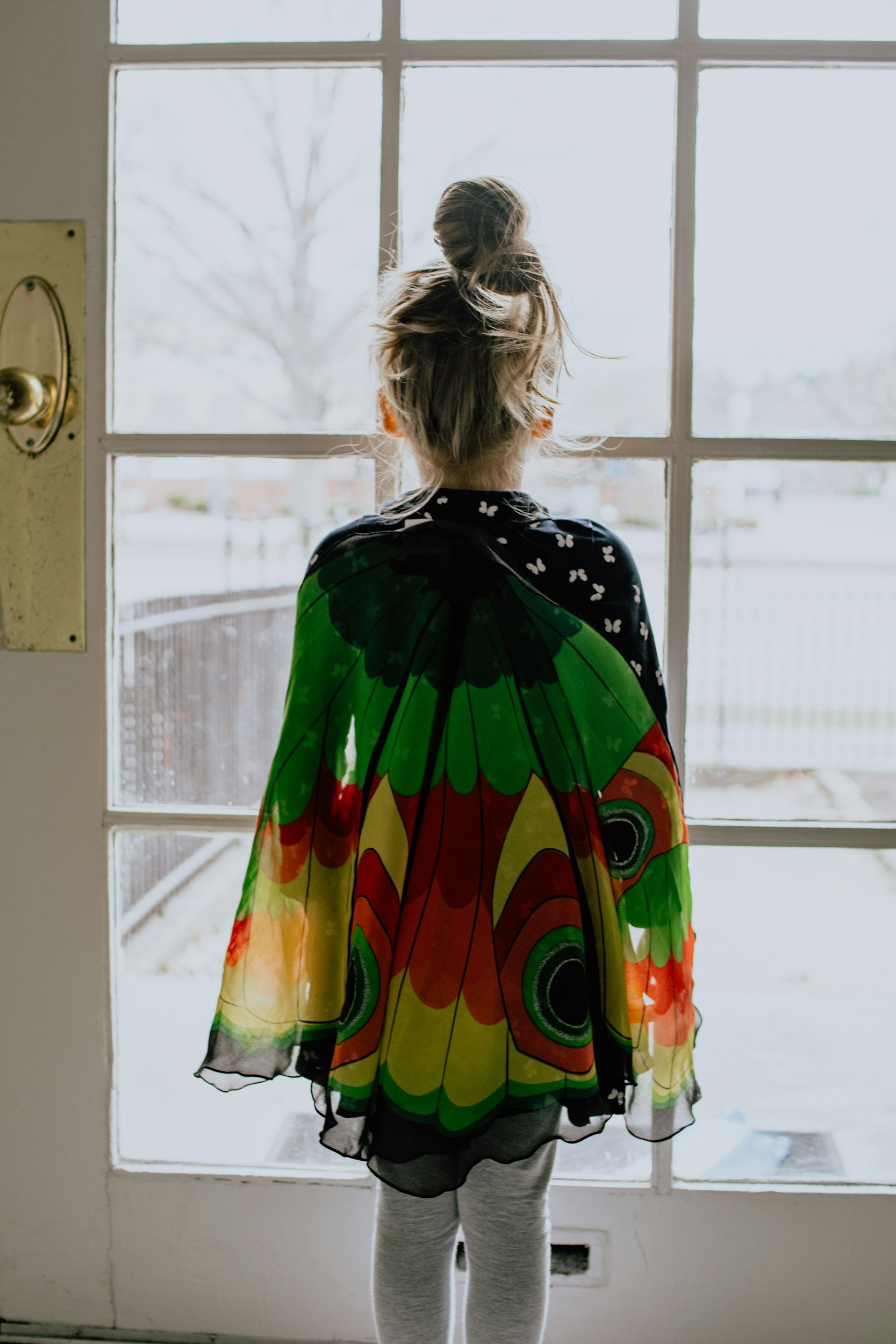
How the Wounded Child Forms
The wounded child develops in environments where emotional needs were not consistently met. This does not require overt trauma. Sometimes it forms in homes that appeared functional on the outside but lacked emotional attunement on the inside.
The child may have learned:
Their feelings were too much
Their needs were inconvenient
Love was conditional
Mistakes led to shame rather than repair
Over time, the wounded child internalizes a belief that something is wrong with them. This belief becomes the lens through which adult relationships are experienced.
How the Wounded Child Shows Up in Adult Relationships
In romantic partnerships, the wounded child often emerges during moments of conflict, criticism, or emotional distance.
This may look like:
Becoming highly sensitive to feedback or tone
Feeling easily rejected or attacked
Shutting down or withdrawing to avoid further hurt
Reacting defensively even when no harm was intended
Carrying deep shame after disagreements
To the partner, these reactions can feel confusing or disproportionate. To the wounded child, they feel protective and necessary.
Common Triggers for the Wounded Child
Triggers often involve situations that resemble the original wound, even subtly.
These might include:
Feeling criticized or corrected
Perceiving disappointment from a partner
Emotional distance or lack of reassurance
Conflict that feels unresolved
Feeling misunderstood or unheard
When triggered, the nervous system often reacts before the adult mind can step in. This is why responses can feel automatic and hard to control.
What the Wounded Child Is Really Needing
Beneath the reactions, the wounded child is not asking for perfection. It is asking for safety.
This part needs:
Reassurance that it is not bad or broken
Gentle acknowledgment of pain
Emotional validation rather than dismissal
Patience during moments of overwhelm
Repair after conflict
The wounded child heals through experiences of being met with care instead of judgment.
How Healing Begins
Healing the wounded child starts with awareness. When you notice strong emotional reactions, instead of criticizing yourself, try getting curious.
You might ask:
What part of me is hurting right now
What does this part need in this moment
What story is this reaction telling
Naming the wounded child creates space between the feeling and the response. That space allows the adult self to step in with compassion.
How Partners Can Respond With Care
In couples, the wounded child often longs for safety but fears rejection. Partners can help by responding with steadiness rather than defensiveness.
Helpful responses include:
Softening tone during difficult conversations
Offering reassurance during moments of vulnerability
Saying “I hear you” instead of trying to fix
Repairing quickly after conflict
Staying present when emotions rise
When a partner responds with empathy, it slowly teaches the wounded child that connection does not have to equal pain.
The wounded child is not weak. It is a part that learned to survive emotional pain without enough support. Its reactions make sense when viewed through the lens of its story.
When we bring compassion to this part of ourselves, we open the door to healing. And when partners learn to see the wounded child beneath the reaction, relationships become places of repair rather than reenactment.
Healing does not happen by eliminating the wounded child. It happens by finally giving it what it needed all along.
As a couples therapist based in Lakeland, Florida, I offer personalized counseling services to help couples strengthen their relationships. If you feel that professional help could benefit your relationship, don’t hesitate to reach out! If you're looking for something more personalized, I invite you to contact me for a consultation or book a session. Together, we can work towards building a more intentional and fulfilling relationship.
Written By: Crystin Grants MS, LMFT