
The Playful Child
The Playful Child: Reclaiming Joy, Curiosity, and Aliveness in Love
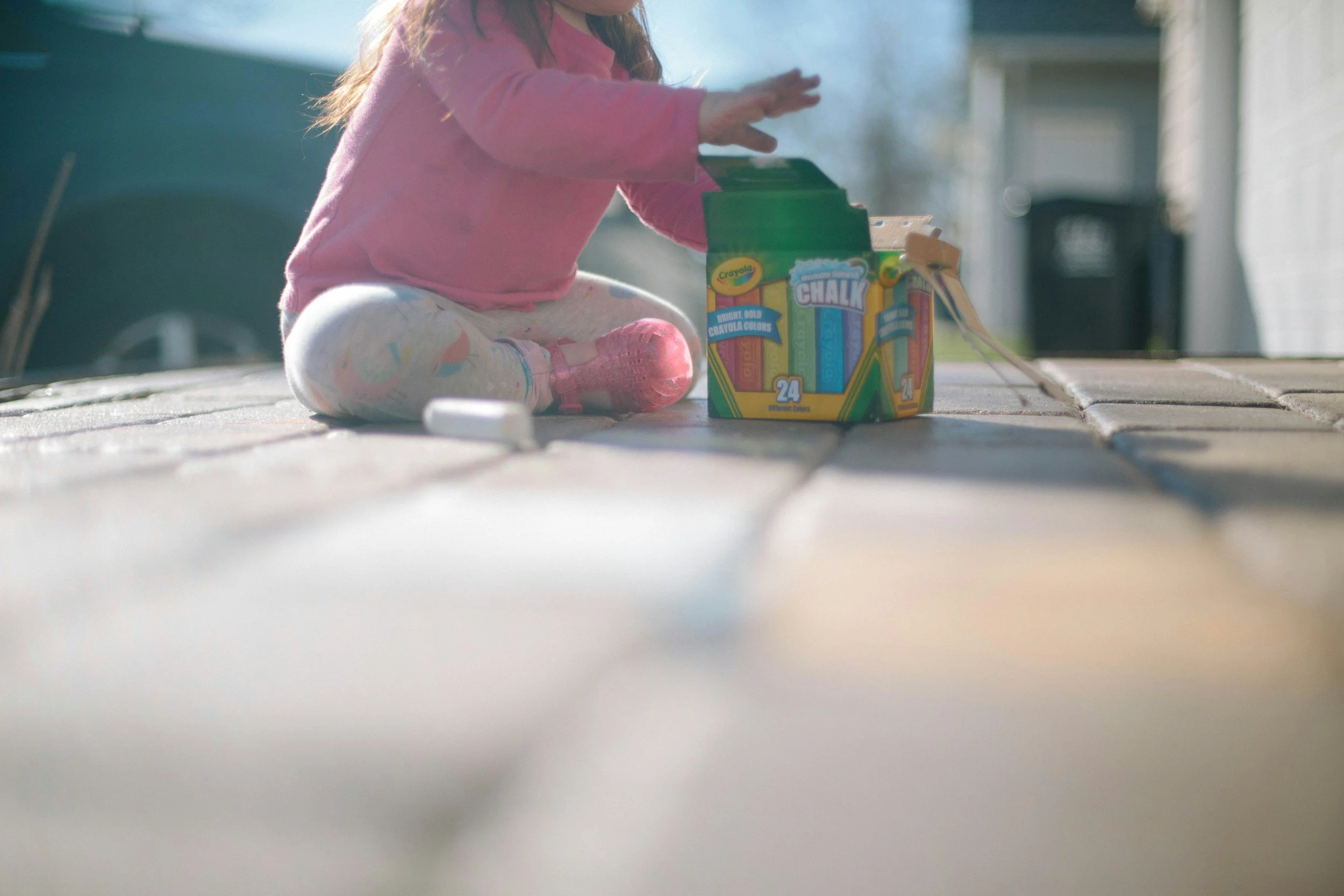
The playful child, sometimes called the free child, is the part of us that knows how to experience joy without guilt, curiosity without fear, and connection without overthinking. This part is spontaneous, expressive, and deeply alive. It holds creativity, laughter, sensuality, and wonder.
For many adults, especially those who have spent years in survival mode, this part can feel distant or forgotten. Yet the playful child is essential to emotional health and to thriving romantic relationships.
How the Playful Child Develops
The playful child emerges when a child feels safe enough to explore, express, and enjoy life. This part thrives in environments where curiosity is encouraged, emotions are welcomed, and connection feels secure.
However, even when this part developed naturally, it may have gone into hiding later due to stress, trauma, responsibility, or emotional pain. Over time, life can teach us that seriousness is safer than joy.
The playful child often retreats not because it is gone, but because it did not feel protected.
How the Playful Child Shows Up in Adult Relationships
When present, the playful child brings lightness and connection into romantic partnerships. This part allows couples to laugh together, explore intimacy, and enjoy shared moments without pressure.
When this part is suppressed, relationships can begin to feel heavy or transactional.
The playful child may show up as:
Spontaneous affection
Humor during tense moments
Curiosity about a partner’s inner world
Creative expression and shared fun
Emotional openness and warmth
A sense of ease in connection
When absent, couples often report feeling disconnected, bored, or emotionally flat.
What Blocks Access to the Playful Child
Many things can push the playful child into hiding, including chronic stress, unresolved trauma, perfectionism, people pleasing, or fear of being judged.
Common blocks include:
Belief that play is irresponsible
Fear of appearing silly or vulnerable
Emotional shutdown due to past hurt
Over functioning and burnout
Viewing relationships as work instead of connection
The playful child needs safety in order to emerge.
What the Playful Child Is Really Needing
At its core, the playful child needs permission and protection.
This part needs:
Emotional safety to express freely
Acceptance without judgment
Space for creativity and joy
Presence rather than performance
A sense of being enjoyed, not evaluated
Healing happens when joy is no longer seen as dangerous or frivolous.
How Healing Begins
Healing the playful child begins by intentionally making room for joy. This does not require grand gestures. Small moments of presence and curiosity are enough.
You might ask yourself:
When was the last time I felt joy without guilt
What helps me feel light or alive
What part of me wants to play right now
Reconnecting with this part is not about forcing happiness. It is about allowing ease.
How Partners Can Support the Playful Child
Partners can help nurture the playful child by creating an environment where lightness feels welcome.
Supportive responses include:
Inviting play and laughter
Engaging in shared activities without agenda
Responding warmly to spontaneity
Letting go of constant seriousness
Making room for pleasure and enjoyment
When partners protect playfulness, they protect connection.
The playful child is not immature or unrealistic. It is the part of us that remembers how to be alive. It reminds us that love is not only built through effort and repair, but also through joy, laughter, and shared presence.
When couples reconnect with their playful child, they often rediscover why they chose each other in the first place. Joy becomes a bridge back to intimacy.
This part does not need to be earned. It simply needs to be welcomed.
As a couples therapist based in Lakeland, Florida, I offer personalized counseling services to help couples strengthen their relationships. If you feel that professional help could benefit your relationship, don’t hesitate to reach out! If you're looking for something more personalized, I invite you to contact me for a consultation or book a session. Together, we can work towards building a more intentional and fulfilling relationship.
Written By: Crystin Grants MS, LMFT